Ingredients
2 racks of pork spareribs (about 6 pounds)
For the BBQ sauce:
2 small onions, quartered
2-1/4 cups distilled white vinegar
1-1/2 cups bottled chili sauce
3/4 cup coarsely grated and peeled apple
3 tablespoons dark molasses
1/3 cup vegetable oil
1 large garlic clove, chopped
1 small bottle sweet pickled gherkins, chopped
3 tablespoons gherkin juice
3 tablespoons Dijon mustard
1 teaspoon celery salt
2 tablespoons Worcestershire sauce
1 tablespoon Tabasco sauce
Cayenne pepper
3/4 teaspoon turmeric
2 tablespoons brown sugar
Directions
In a large kettle, combine the spareribs with enough water to cover them, bring the water to a boil and simmer the spareribs, skimming the froth as necessary, for 45 minutes. Drain the spareribs well. The ribs may be prepared up to this point one day in advance and kept wrapped in foil and chilled.
To make the sauce, puree the onions in a blender or food processor with all other ingredients. In a saucepan, simmer for 40 to 45 minutes, stirring occasionally. Let cool. This sauce may be made a week in advance and kept covered and chilled.
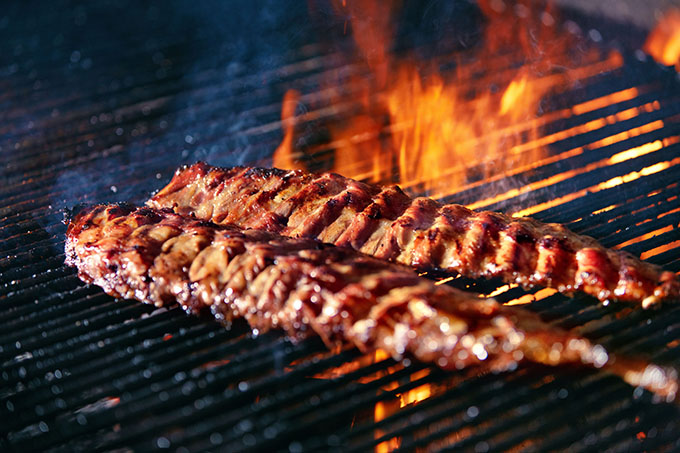
Pat the spareribs dry and brush them all over with the sauce. Grill them on an oiled rack set five inches over glowing coals, for six minutes on each side, brushing them with more of the sauce as they are turned. Serve the remaining sauce separately with the spareribs.
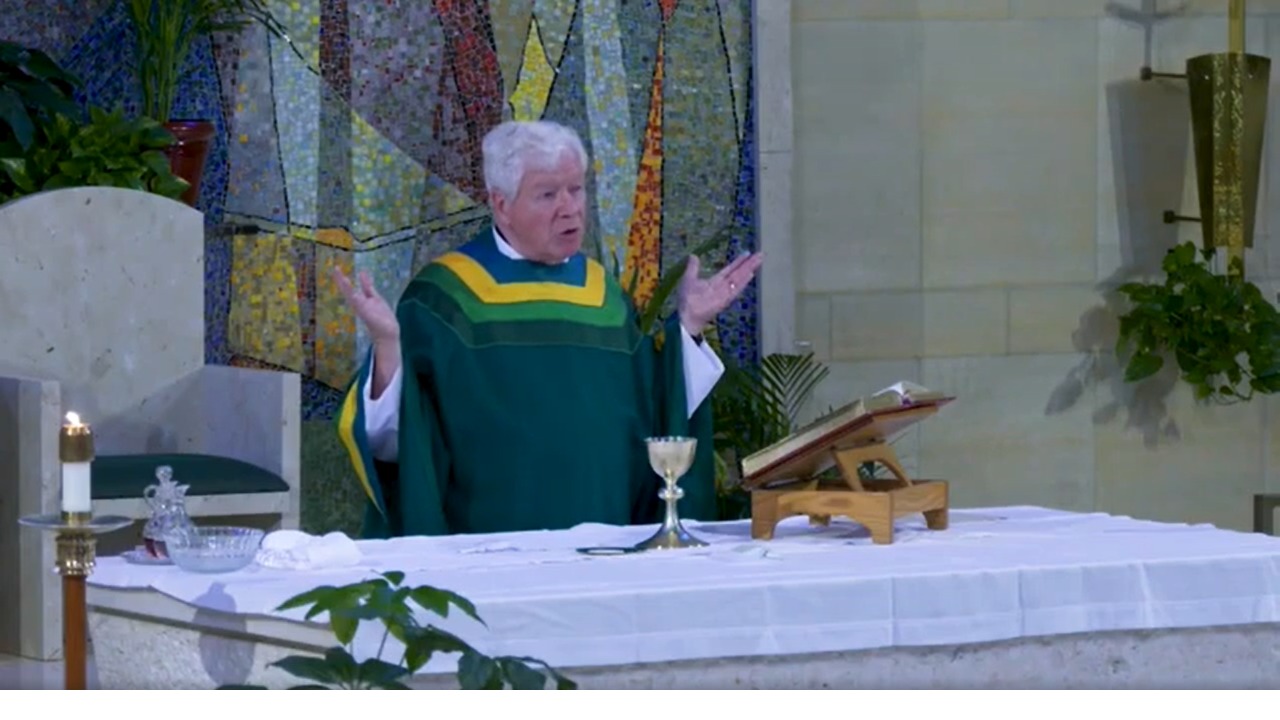
This recipe was submitted by the late Father Joseph Fata, who at the time was pastor of St. Luke Parish in Boardman (now St. Catherine of Siena Parish) for the Catholic Exponent Favorites cookbook.
A reflection by Katie Wagner, editor in chief of The Catholic Echo magazine.
I cannot think about barbecue without reminiscing about my first job, scrubbing smokers at a local barbecue down the road from my house. The owner of the restaurant would hand me—a short, 15-year-old theater kid—a massive handful of steel wool, and I would crawl into each of her three smokers and scrub walls, ceilings and racks until they were sparkling. I’d come home several hours later, looking like I crawled out of the belly of a pig—covered from head to toe in grease and gristle.
It sounds awful, but I loved it. All my best friends in the neighborhood worked there, so I was in good company. I also didn’t have to scrub long—it was only a year or so before the owner moved me on to basic kitchen and serving work. But above all, I was proud of the product. The food we served was excellent, with the restaurant often appearing at the top of “Best of” lists for barbecue in the state of Pennsylvania. The restaurant closed while I was in college, and I’ve unfortunately not had barbecue to meet its match since. This particular recipe by the late Father Fata does share similarities with some of the food preparation I can recall from that time, so I can’t wait to try it!
The Bible says many things about the value of “the work of our hands,” and I was fortunate that my first exposure to working was so positive. I learned about the importance of having good relationships with coworkers. I gained a sense of wonder at what God leads us to create, through imagination, teamwork and hard work. And I also gained an appreciation for work that fulfills—a principle that has guided me through my entire career and led me to working for the Church.
So, as you enjoy this recipe, I invite you to think about the work of your hands—any work of which you are proud—and give thanks to God for joy of it! The work of your hands can be a marvelous gift.