Inside the diocese’s fourth annual Hispanic Summit
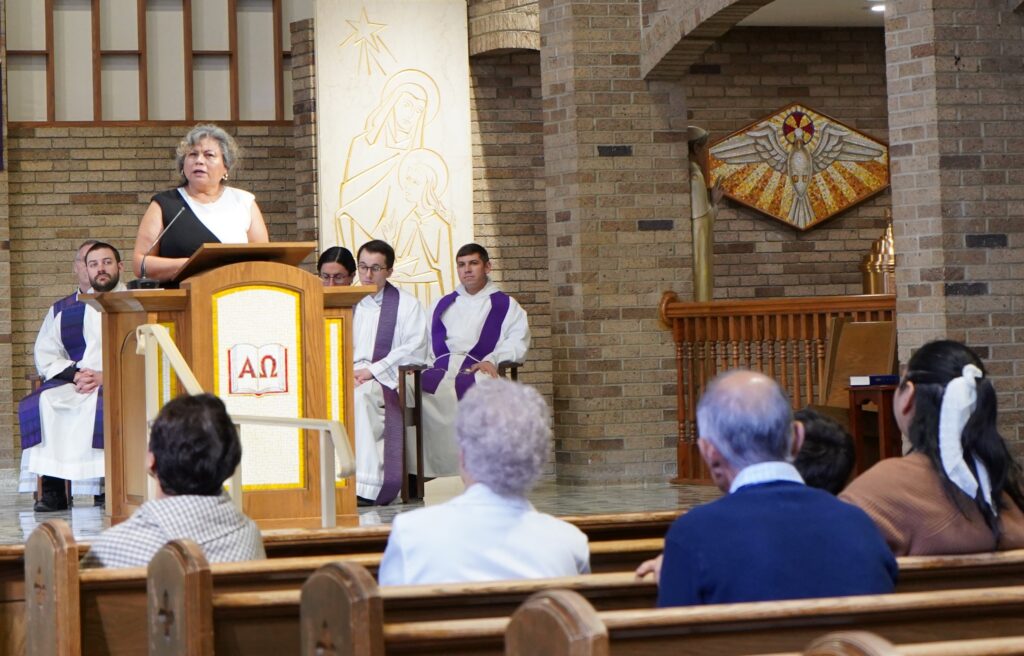
“The time is now,” said Dominican Father Frasatti Davis, Pastor of St. Dominic Parish in Youngstown, as he kicked off his presentation at the fourth annual Hispanic Summit of the Diocese of Youngstown. With this phrase, Father Davis invited the faithful to live their faith without delay, to courageously assume responsibility for their spiritual growth, and to face daily challenges with hope and perseverance. He reminded them that faith does not wait for perfect moments or ideal circumstances: “God calls us today, here, in the place where we are,” he said, reminding the faithful that every action, however small, is meaningful when done with love and sincerity.
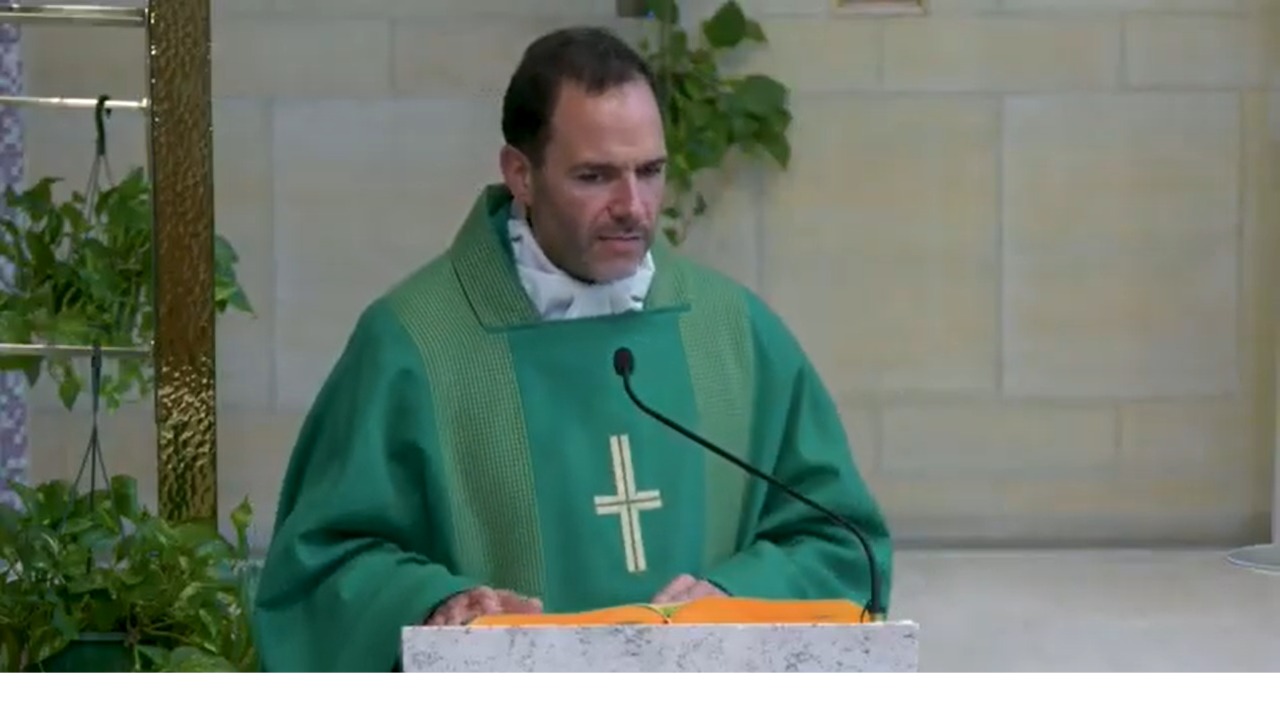
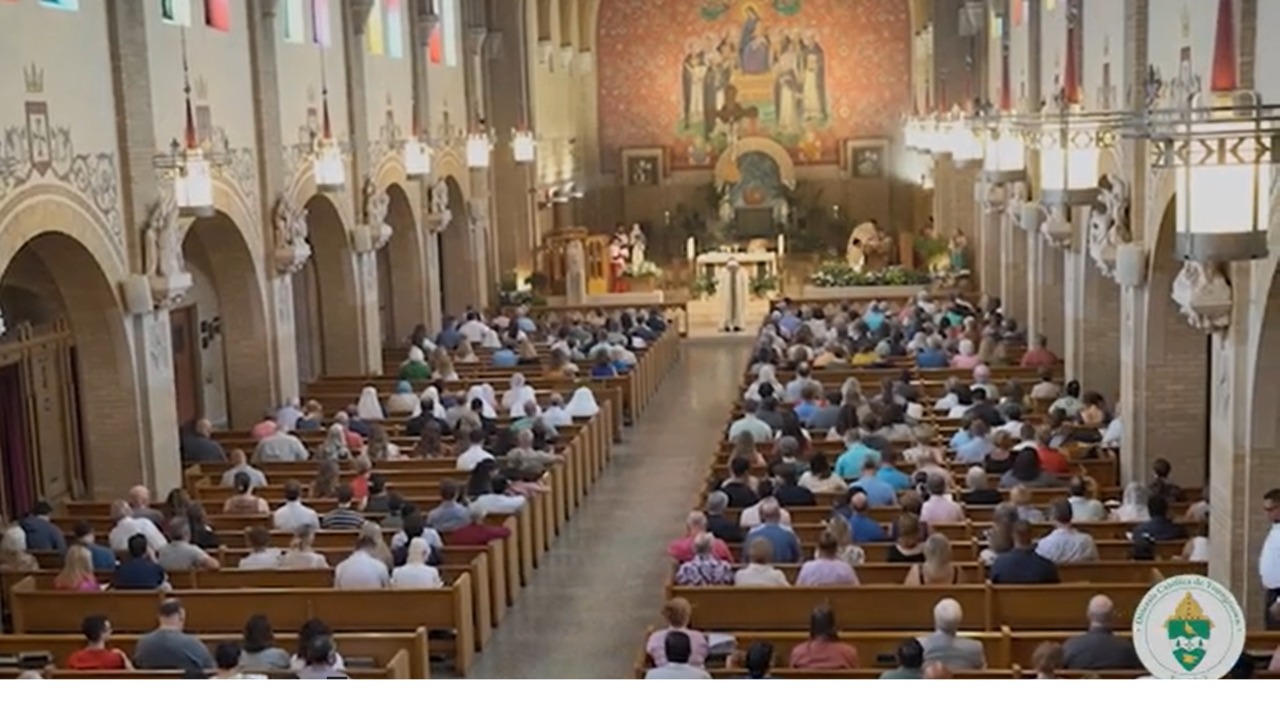
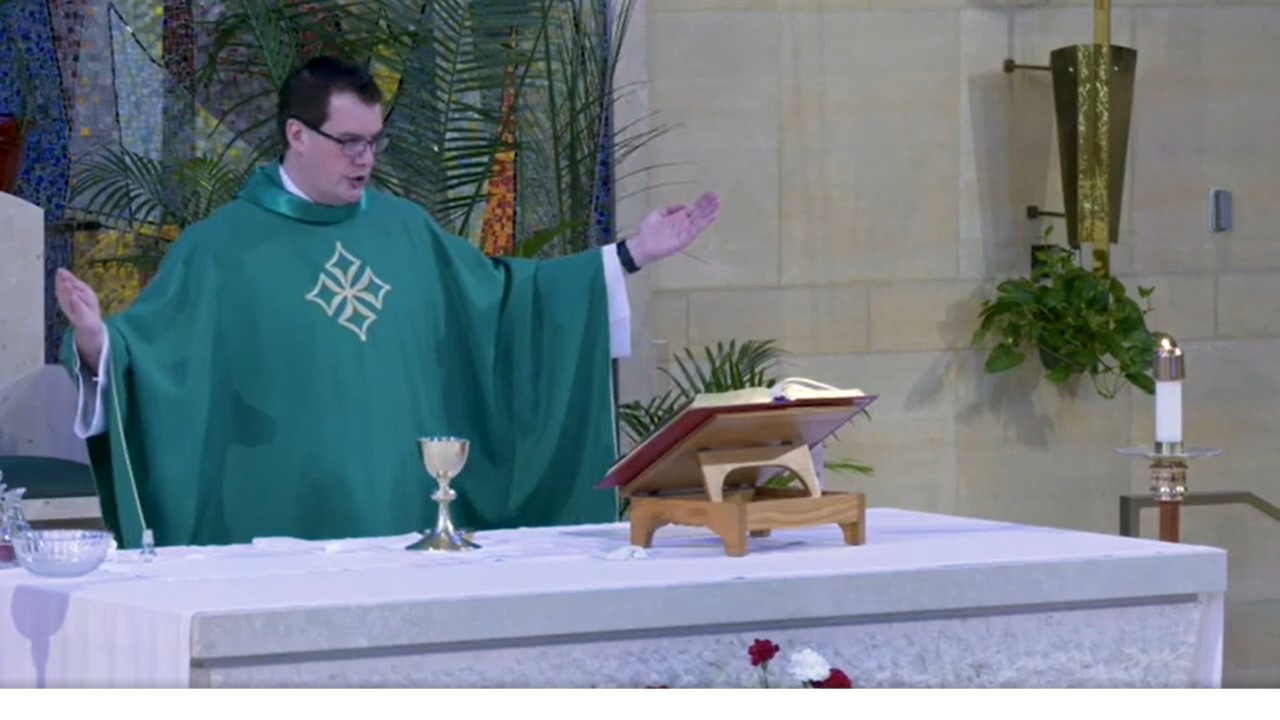
The Summit was held at St. Michael Parish in Canfield for the faithful of the diocese’s five intentional Hispanic communities: Divine Mercy in Massillon, Santo Domingo in Youngstown, St. Francis of Assisi in Canton, Our Lady of Peace in Ashtabula and St. Paul in Salem. The day began with a Mass in Spanish, presided over by Bishop David Bonnar and concelebrated by Father Brian Smith. Father Smith delivered the homily, reiterating Jesus’ call to pray for the difficult people in our lives, including our adversaries.
After a Mexican lunch served in the parish hall for all attendees, the faithful participated in a family catechesis program led by two priests. Father Davis began his talk by speaking about the diversity and richness of cultures within the Hispanic community, quoting a passage from Corinthians: “There are different kinds of spiritual gifts, but the same Spirit. There are different forms of service, but the same Lord. There are different workings, but the same God produces all of them in everyone.” Thus, he said, despite our diversity, we are all part of the body of Christ. Both communities—the American and the Hispanic—are called not only to live together, but to enrich one another through faith. He also reflected on the richness of Hispanic culture and how it intertwines with the Catholic faith. He pointed out that, although many traditions come from specific families and countries of origin, a believer’s true identity is not defined solely by language or cultural heritage, but by their relationship with God and the coherence between their family, work and spiritual lives. He then read from Psalm 139:
“Lord, you have probed me, you know me; you know when I sit and stand; you understand my thoughts from afar. You sift through my travels and my rest; with all my ways you are familiar. Even before a word is on my tongue, Lord, you know it all.”
With these words, Father Davis emphasized that God knows our hearts and that living authentically is essential. He said it is necessary to reconcile with our past and seek the sacraments, because this strengthens our identity and guides us toward a life full of faith. We shouldn’t wait for convenient moments; we must be ready, and the time to do so is now.
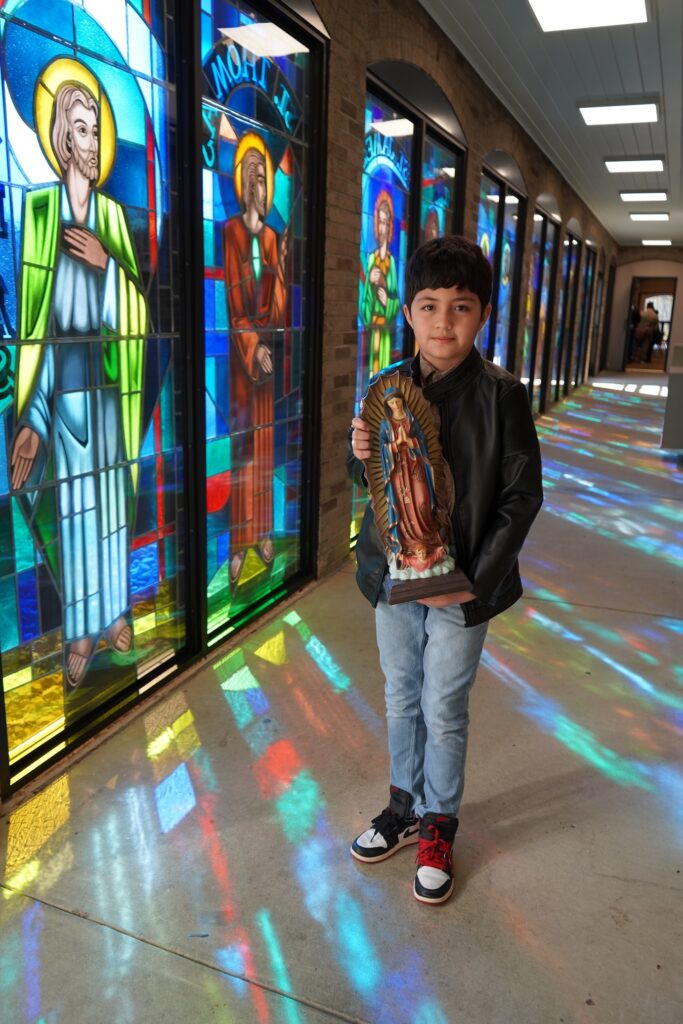
Paulist priest Father Miguel Ángel Muñoz, superior of St. Paul’s Monastery in Canfield, was the second speaker. He reminded the attendees that the challenge of language and culture can become an opportunity when all recognize that their deepest identity is not national, but baptismal, because we are children of God. He spoke of the enlightening experience of the people of Israel, saying, “Upon entering Egypt, they did not cease to be who they were, but neither did they live in isolation. They knew how to remain faithful in the midst of a different culture, crying out to the Lord in their difficulty. Likewise, we too must remember the words of Leviticus 25:23: ‘The land shall not be sold irrevocably for the land is mine, and you are resident aliens and under my authority,’ understanding that we are pilgrims.” Father Muñoz said that we are not here to compete or to see each other as a threat, but to contribute the best of our traditions and learn from each other’s spiritual richness: the sense of family, popular devotion, liturgical respect and perseverance in prayer. All of this can blend together if there is openness and humility.
But this integration, he said, cannot remain merely festive or allegorical. The processions, songs and celebrations of the Hispanic community must reflect a genuine experience of Christ that engages everyone. Conversion, reconciliation and service cannot be postponed, thinking there will be plenty of time. We cannot believe we will live eternally here, when in reality our citizenship is in heaven. We are pilgrims on this Earth, and time is a gift that should not be wasted. He reaffirmed what Father Frasatti said, that “the time is now.” Now is the time to pray together, to heal family divisions, to build bridges between cultures and to bear living witness to Christ in the community. If both communities understand that the goal is heaven, then they will cease to see each other as strangers and will begin to walk together as brothers and sisters, committed not only to preserving traditions, but to seeking souls and living a faith that transforms daily life.
To conclude the day, Bishop Bonnar reminded the faithful that life is a journey of the heart and that in every Eucharist we come to the house of God to uplift it—whether it is filled with joy or wounded by pain. He acknowledged the suffering many families are experiencing due to the current migration crisis in the country, a reality that is causing separation between loved ones, fear in homes, and broken hearts—especially when children face the absence of their parents.
The Bishop invited the faithful to encounter Jesus more intentionally in the Sacred Heart, reminding them that He too knew rejection and the experience of being an immigrant. He encouraged them to live Lent as a time of conversion of heart, supporting one another in prayer and strengthening the family as “the first Church.” Finally, he thanked the priests, deacons, lay leaders and the coordinator of the Hispanic Ministry, Cristina Hernandez, for their service, and invoked the intercession of Our Lady of Guadalupe to continue building a Kingdom of justice, love and peace.
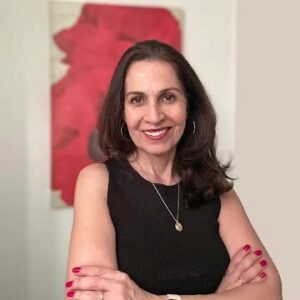
Cristina Hernandez, organizer of the event, announced that in the coming days she will meet with Bishop Bonnar to deliver to him a draft of the pastoral plan of the Hispanic Ministry, explaining that the document was prepared after four people from the diocese, including herself, completed a pastoral planning course offered by the United States Conference of Catholic Bishops (USCCB).
“El momento es ahora”
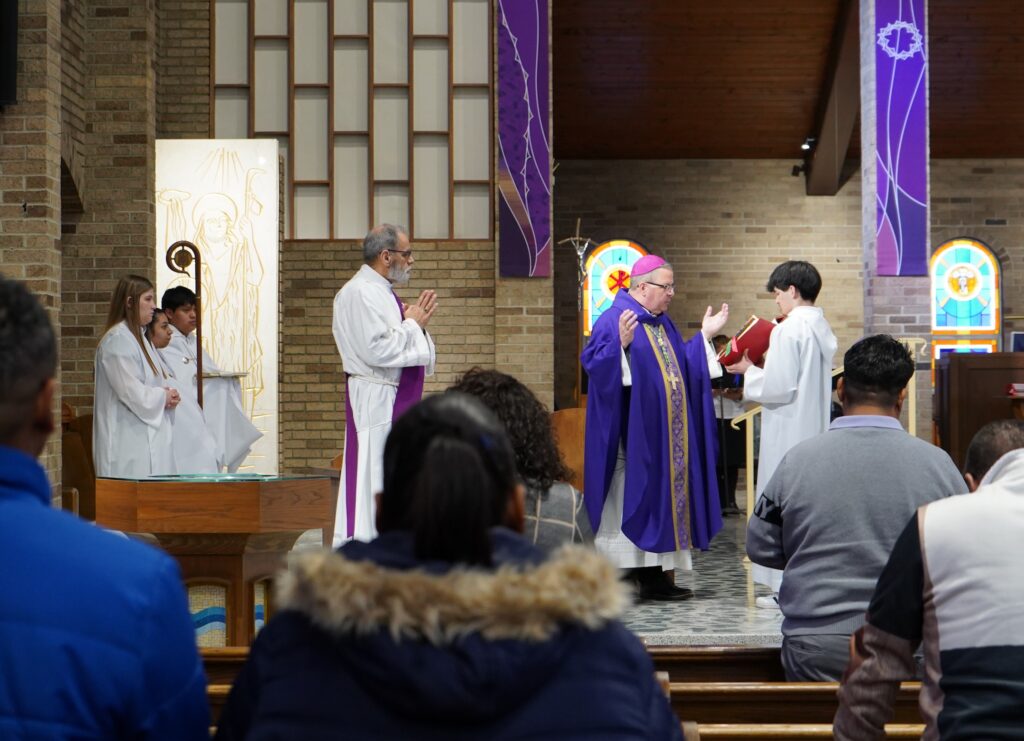
“El momento es ahora”, dijo el Padre dominico Frasatti Davis, párroco de la parroquia Santo Domingo en Youngstown, al iniciar su presentación en la cuarta Cumbre Hispana anual de la Diócesis de Youngstown. Con esta frase, el Padre Davis invitó a los fieles a vivir su fe sin demora, a asumir con valentía la responsabilidad de su crecimiento espiritual y a afrontar los desafíos diarios con esperanza y perseverancia. Les recordó que la fe no espera momentos perfectos ni circunstancias ideales: “Dios nos llama hoy, aquí, en el lugar donde estamos”, dijo, recordando a los fieles que cada acción, por pequeña que sea, tiene sentido cuando se realiza con amor y sinceridad.
La Cumbre se celebró en la Parroquia de San Miguel en Canfield para los fieles de las cinco comunidades hispanas intencionales de la diócesis: La Divina Misericordia en Massillon, Santo Domingo en Youngstown, San Francisco de Asís en Canton, Nuestra Señora de la Paz en Ashtabula y San Pablo en Salem. El día comenzó con una misa en español, presidida por el Obispo David Bonnar y concelebrada por el Padre Brian Smith. El Padre Smith hizo la homilía, reiterando el llamado de Jesús a orar por las personas difíciles en nuestras vidas, incluyendo a nuestros adversarios.
Luego de un almuerzo mexicano servido en el salón parroquial para todos los asistentes, los fieles participaron en un programa de catequesis familiar dirigido por dos sacerdotes. El Padre Davis comenzó su charla hablando sobre la diversidad y la riqueza de las culturas dentro de la comunidad hispana, citando un pasaje de Corintios: “Hay diferentes clases de dones espirituales, pero el mismo Espíritu. Hay diferentes formas de servicio, pero el mismo Señor. Hay diferentes obras, pero el mismo Dios las produce todas en todos”. Así, dijo, a pesar de nuestra diversidad, todos formamos parte del cuerpo de Cristo. Ambas comunidades, la estadounidense y la hispana, están llamadas no solo a convivir, sino a enriquecerse mutuamente a través de la fe. También reflexionó sobre la riqueza de la cultura hispana y cómo ésta se entrelaza con la fe católica. Señaló que, si bien muchas tradiciones provienen de familias y países de origen específicos, la verdadera identidad de un creyente no se define únicamente por el idioma o la herencia cultural, sino por su relación con Dios y por la coherencia entre su vida familiar, laboral y espiritual. A continuación, leyó un pasaje del Salmo 139: “Señor, tú me sondeas y me conoces, tú sabes si me siento o me levanto; de lejos percibes lo que pienso, te das cuenta si camino o si descanso, y todos mis pasos te son familiares. Antes que la palabra esté en mi lengua, tú, Señor, la conoces plenamente.”
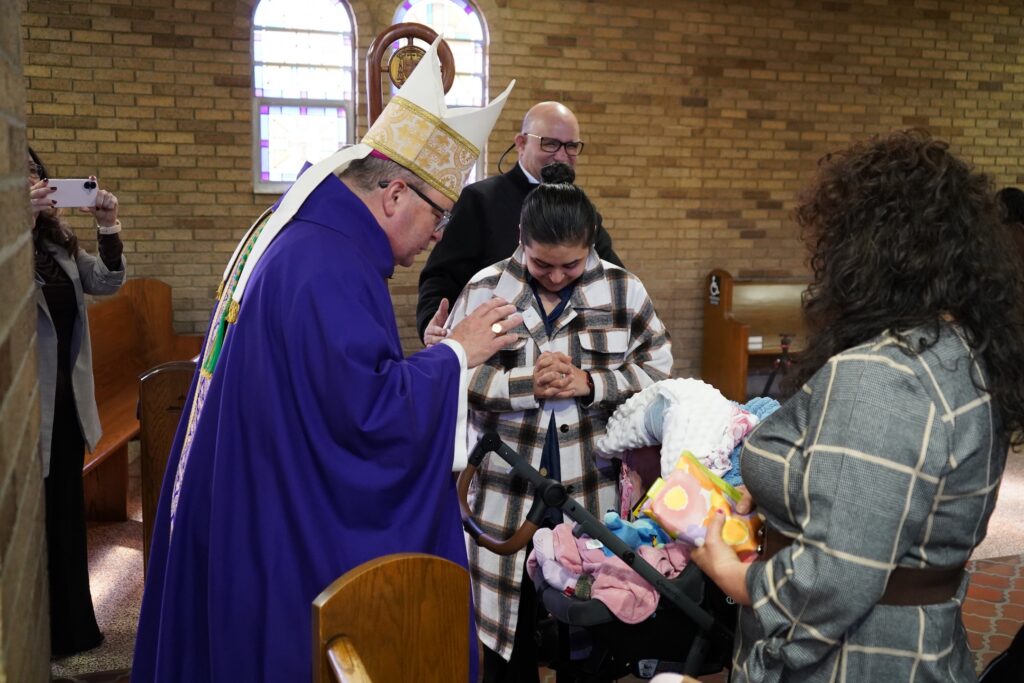
Con estas palabras, el Padre Davis enfatizó que Dios conoce nuestros corazones y que vivir auténticamente es esencial. Dijo que es necesario reconciliarnos con nuestro pasado y buscar los sacramentos, porque esto fortalece nuestra identidad y nos guía hacia una vida llena de fe. No debemos esperar a los momentos convenientes; debemos estar listos, y el momento de hacerlo es ahora.
El Padre Paulista Miguel Ángel Muñoz, superior del monasterio de la Sociedad de San Pablo en Canfield, fue el segundo orador. Recordó a los asistentes que el desafío de la lengua y la cultura puede convertirse en una oportunidad cuando todos reconocen que su identidad más profunda no es nacional, sino bautismal, porque somos hijos de Dios. Habló de la enriquecedora experiencia del pueblo de Israel, diciendo: “Al entrar en Egipto, no dejaron de ser quienes eran, pero tampoco vivieron aislados. Supieron mantenerse fieles en medio de una cultura diferente, clamando al Señor en sus dificultades”. De la misma manera, nosotros también debemos recordar las palabras de Levítico 25:23: “La tierra no se venderá irrevocablemente porque la tierra es mía, y ustedes son extranjeros residentes y están bajo mi autoridad”, entendiendo que somos peregrinos.
El Padre Muñoz dijo que no estamos aquí para competir ni para vernos como una amenaza, sino para aportar lo mejor de nuestras tradiciones y aprender de la riqueza espiritual de cada uno: el sentido de familia, la devoción popular, el respeto litúrgico y la perseverancia en la oración. Todo esto puede combinarse si hay apertura y humildad.
Pero esta integración, dijo, no puede quedar en algo meramente festivo o alegórico. Las procesiones, los cantos y las celebraciones de la comunidad hispana deben reflejar una experiencia genuina de Cristo que involucre a todos. La conversión, la reconciliación y el servicio no pueden posponerse, pensando que habrá tiempo de sobra. No podemos creer que viviremos eternamente aquí, cuando en realidad nuestra ciudadanía está en el cielo. Somos peregrinos en esta Tierra, y el tiempo es un regalo que no debe desperdiciarse. Reafirmó lo que dijo el Padre Frasatti: “El momento es ahora”. Ahora es el momento de orar juntos, sanar las divisiones familiares, tender puentes entre culturas y dar testimonio vivo de Cristo en la comunidad. Si ambas comunidades comprenden que la meta es el cielo, dejarán de verse como extraños y comenzarán a caminar juntos como hermanos y hermanas, comprometidos no solo con preservar las tradiciones, sino con la búsqueda de almas y con vivir una fe que transforma la vida cotidiana.
Para concluir la jornada, el obispo Bonnar recordó a los fieles que la vida es un camino del corazón y que en cada Eucaristía venimos a la casa de Dios para elevarla, ya sea llena de alegría o herida por el dolor. Reconoció el sufrimiento que muchas familias experimentan debido a la actual crisis migratoria en el país, una realidad que causa separación entre seres queridos, temor en los hogares y corazones rotos, especialmente cuando los niños enfrentan la ausencia de sus padres.
El Obispo invitó a los fieles a un encuentro más intencional con Jesús en el Sagrado Corazón, recordándoles que Él también conoció el rechazo y la experiencia de ser inmigrante. Los animó a vivir la Cuaresma como un tiempo de conversión del corazón, apoyándose mutuamente en la oración y fortaleciendo a la familia como “la primera Iglesia”. Finalmente, agradeció a los sacerdotes, diáconos, líderes laicos y a la coordinadora del Ministerio Hispano, Cristina Hernández, por su servicio, e invocó la intercesión de Nuestra Señora de Guadalupe para seguir construyendo un Reino de justicia, amor y paz.
Cristina Hernández, organizadora del evento, anunció que en los próximos días se reunirá con el obispo Bonnar para entregarle un borrador del plan pastoral del Ministerio Hispano, explicando que el documento fue elaborado luego de que cuatro personas de la diócesis, incluida ella misma, completaron un curso de planificación pastoral ofrecido por la Conferencia de Obispos Católicos de los Estados Unidos (USCCB).