Did you know that there is a little book published every year, unique to each ecclesial province, called Order of Prayer in the Liturgy of the Hours and the Celebration of the Eucharist? It is a pastoral guide to assist the priest throughout the liturgical year. It includes notes specific to each day, the monthly intention of the Holy Father, the necrology of the deceased bishops, priests and deacons of each diocese, and pertinent information on the saints of the day.
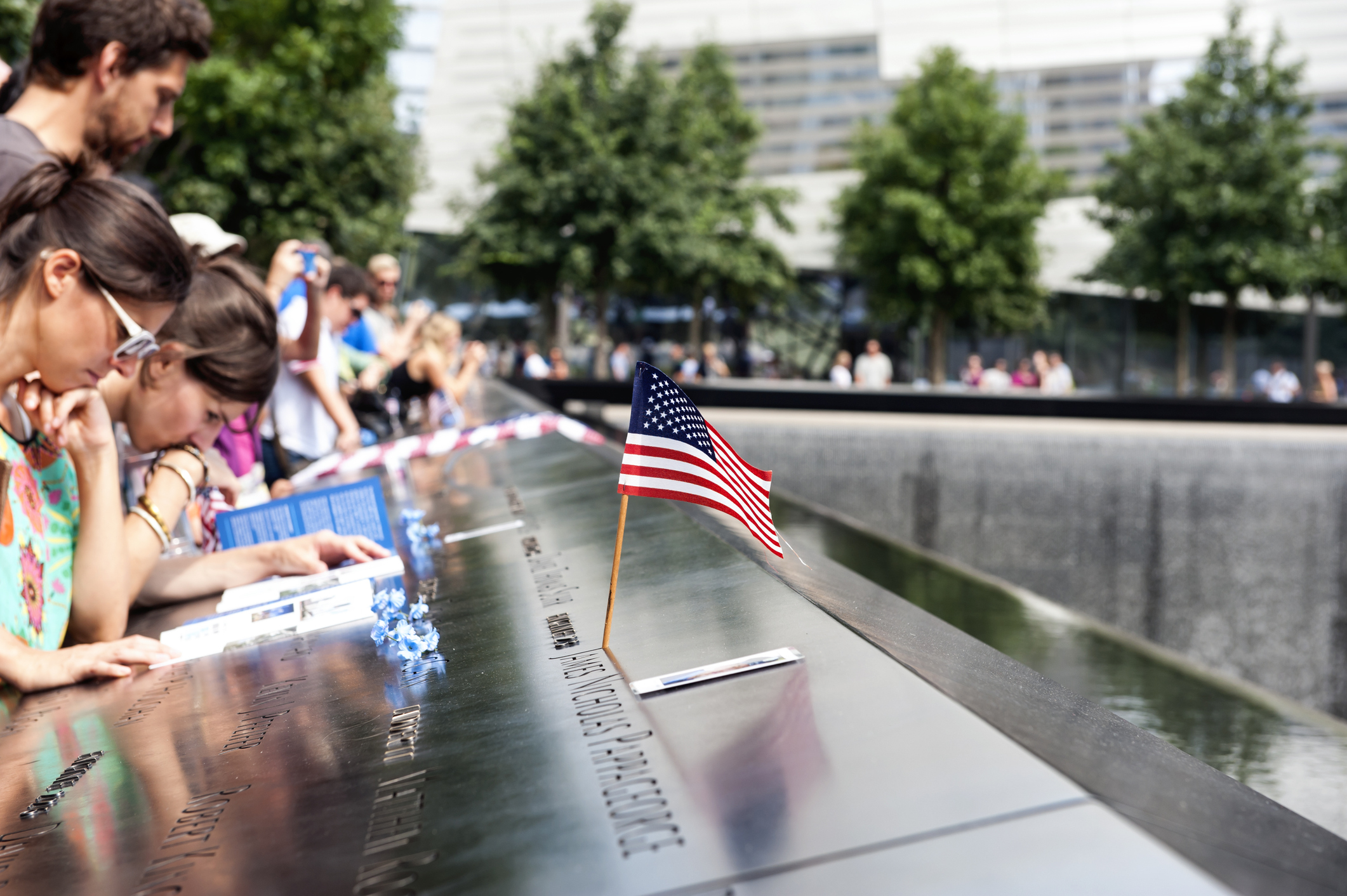
For example, there is a pastoral note, that states, “During November, we are called in a special way to remember ‘our brothers and sisters who have fallen asleep in the hope of the Resurrection’” (Eucharistic Prayer II). It then suggests that a book might be placed in a church for the faithful to inscribe the names of their deceased loved ones. This book is often called The Book of Remembrance. In addition, people remember their deceased loved ones by visiting cemeteries and having Masses offered for their intention.
On November 1, the Church celebrates the Solemnity of All Saints. Because it falls on a Saturday, it is not a Holy Day of Obligation this year. Nevertheless, we celebrate the saints and their impact on our world. On this day, relics of the saints may be exposed for veneration by the faithful. These same relics can be part of the procession of Mass and then displayed prominently.
On November 2, the Church celebrates the Commemoration of All the Faithful Departed Day (“All Soul’s Day”). This year’s observance holds a special prominence, as it falls on a Sunday. In some parishes it is the custom to light candles for those who died and were buried from the faith community during the past year and call out their name as the candles are lit. This is also a day when, traditionally, people visit the cemetery to pray for their deceased loved ones. As such, the whole month of November becomes a sacred time to remember those who have gone before us.
In this month-long act of remembering, we also become more mindful of our own mortality, the end of which can come “like a thief in the night” (1 Thessalonians 5:2). Indeed, as leaves fall to the ground and die, we are reminded that we are only here on Earth for a visit. Our life will end as we know it. But what are we doing to ready ourselves for the life to come?
In Lord, Teach Us How to Pray, noted author Father Jeffrey Kirby tells the story of four Catholic men who backpacked through Italy following their graduation. The four of them gathered each night for prayer. One night, when they were staying in a hostel, an Englishman observed them praying. He approached them afterward and said, “So, you are all religious?” One of the young men replied, “Yes, just like you.” The Englishman protested, but another member of the group responded, “Yes, yes you are. You just choose not to exercise your religious nature. I have a muscle here on my arm just like everyone else. You can see the muscle on my arm because I have been backpacking for days. Everyone else has the same muscle but perhaps it cannot be seen because they have not exercised it. In the same way, yes, we are all religious. We’re just trying to exercise it.”
One of the greatest muscles we have is our heart. The heart is the place where we live out our lives in relationship with God and one another. In Luke’s Gospel there is an exchange between Jesus and a scholar of the law. The scholar wants to know what he must do to inherit eternal life. Jesus then asks him what the law says about it and how he, as a scholar, sees it. The man replies, “You shall love the Lord, your God, with all your heart, with all your being, with all your strength, and with all your mind, and your neighbor as yourself.” Jesus replies, “You have answered correctly; do this and you will live” (Luke 10: 25-28).
Sometimes we can become so absorbed in the ways of this world that we forget there is a greater life to which we are called. This eternal life is hard to behold from the standpoint of this world. As Saint Paul said, “Eye has not seen, ear has not heard, what God has ready for those who love him” (1 Corinthians 2:9).
So, as we embark upon this month of remembrance in which we prayerfully call to mind our beloved and recall our own mortality and the finiteness of our earthly lives, which will one day result in our names being in The Book of Remembrance. Let us pray for the grace to exercise every day our religious nature and be people of heart who love God, our neighbors and ourselves, with the hope that one day we will see God face to face and inherit eternal life.
¿Sabías que cada año se publica un librito, exclusivo de cada provincia eclesial, llamado Orden de Oración en la Liturgia de las Horas y la Celebración de la Eucaristía? Es una guía pastoral para ayudar al sacerdote durante todo el año litúrgico. Incluye notas específicas para cada día, la intención mensual del Santo Padre, la necrología de los obispos, sacerdotes y diáconos fallecidos de cada diócesis e información pertinente sobre los santos del día.
Por ejemplo, hay una nota pastoral que dice: “Durante noviembre, estamos llamados de manera especial a recordar a nuestros hermanos y hermanas que durmieron en la esperanza de la Resurrección” (Plegaria Eucarística II). Sugiere también que se coloque en la iglesia un libro para que los fieles escriban los nombres de sus seres queridos fallecidos. Este libro suele llamarse el Libro del Recuerdo. Además, se recuerda a los seres queridos fallecidos visitando cementerios y celebrando misas por su intención.
El primero de noviembre, la Iglesia celebra la Solemnidad de Todos los Santos. Porque este año cae sábado, no es un Día de Obligación. Sin embargo, celebramos a los santos y su impacto en nuestro mundo. En este día, las reliquias de los santos pueden ser expuestas para la veneración de los fieles. Estas mismas reliquias pueden formar parte de la procesión de la Misa y luego exhibirse de forma destacada.
El 2 de noviembre, la Iglesia celebra la Conmemoración de Todos los Fieles Difuntos (Día de los Fieles Difuntos). Este año, esta celebración cobra especial relevancia, ya que cae en domingo. En algunas parroquias, es costumbre encender velas por los fieles de la comunidad que fallecieron y fueron enterrados durante el año anterior y pronunciar sus nombres al encenderlas. Este también es un día en el que, tradicionalmente, la gente visita el cementerio para rezar por sus seres queridos fallecidos. Por ello, noviembre se convierte en un momento sagrado para recordar a quienes se fueron antes que nosotros.
En este acto de conmemoración que dura un mes, también nos volvemos más conscientes de nuestra propia mortalidad, cuyo fin puede llegar “como ladrón en la noche” (1 Tesalonicenses 5:2). De hecho, cuando las hojas caen al suelo y mueren, recordamos que solo estamos aquí en la Tierra de visita. Nuestra vida terminará tal como la conocemos. Pero ¿qué estamos haciendo para prepararnos para la vida venidera?
Nuestra vida terminará tal como la conocemos. Pero ¿qué estamos haciendo para prepararnos para la vida venidera?
En “Señor, enséñanos a orar”, el reconocido autor, el Padre Jeffrey Kirby, cuenta la historia de cuatro hombres católicos que viajaron de mochileros por Italia tras su graduación. Los cuatro se reunían cada noche para orar. Una noche, mientras se alojaban en un albergue, un inglés los observó orando. Después se acercó a ellos y les dijo: “¿Así que todos son religiosos?”. Uno de los jóvenes respondió: “Sí, igual que tú”. El inglés protestó, pero otro miembro del grupo respondió: “Sí, sí lo eres. Simplemente eliges no ejercitar tu naturaleza religiosa. Tengo un músculo aquí en el brazo, como todos los demás. Puedes verlo porque llevo días de mochilero. Todos los demás tienen el mismo músculo, pero quizás no se ve porque no lo han ejercitado. De la misma manera, sí, todos somos religiosos. Solo intentamos ejercitarlo’’.
Uno de nuestros músculos más importantes es el corazón. El corazón es el lugar donde vivimos nuestra vida en relación con Dios y con los demás. En el Evangelio de Lucas, Jesús dialoga con un estudioso de la Ley. El estudioso quiere saber qué debe hacer para heredar la vida eterna. Entonces Jesús le pregunta qué dice la ley al respecto y cómo la ve él, como estudioso. El hombre responde: “Amarás al Señor, tu Dios, con todo tu corazón, con todo tu ser, con todas tus fuerzas y con toda tu mente; y a tu prójimo como a ti mismo”. Jesús responde: “Bien has respondido; haz esto y vivirás” (Lucas 10:25-28).
A veces nos absorbemos tanto en las costumbres de este mundo que olvidamos que hay una vida más grande a la que estamos llamados. Esta vida eterna es difícil de contemplar desde la perspectiva de este mundo. Como dijo San Pablo: “Ni ojo vio, ni oído escuchó, son las cosas que Dios tiene preparadas para los que lo aman” (1 Corintios 2:9).
Así, al embarcarnos en este mes de conmemoración en el que con oración recordamos a nuestros seres queridos y nuestra propia mortalidad y la finitud de nuestras vidas terrenales, que un día darán como resultado que nuestros nombres estén en el Libro del Recuerdo, oremos por la gracia de ejercitar cada día nuestra naturaleza religiosa y ser personas de corazón que aman a Dios, a nuestro prójimo y a nosotros mismos con la esperanza de que un día veremos a Dios cara a cara y heredaremos la vida eterna.