Dear Readers,
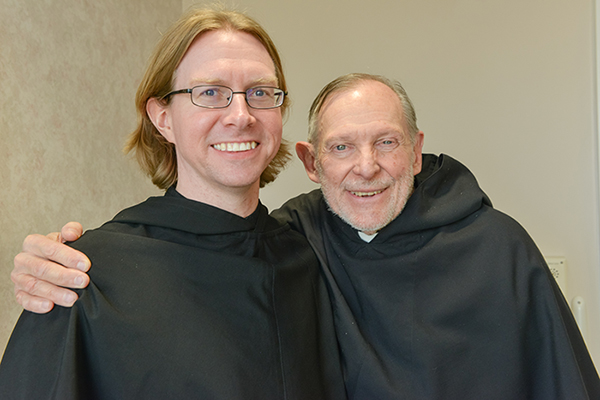
Although I was brought up in a Catholic family, I wandered away when I was young and was an atheist for many years. At a critical low point, I met Father Clark Kelley, a retired Oblate of St. Francis de Sales, who gently guided me back to the Church and became one of the most important people in my life. Because of him, I received the Sacrament of Confirmation as an adult and even spent time discerning a religious vocation with the Dominicans. Since Father Kelley’s passing in 2014, I have been blessed by the friendship and guidance of many other religious men and women.
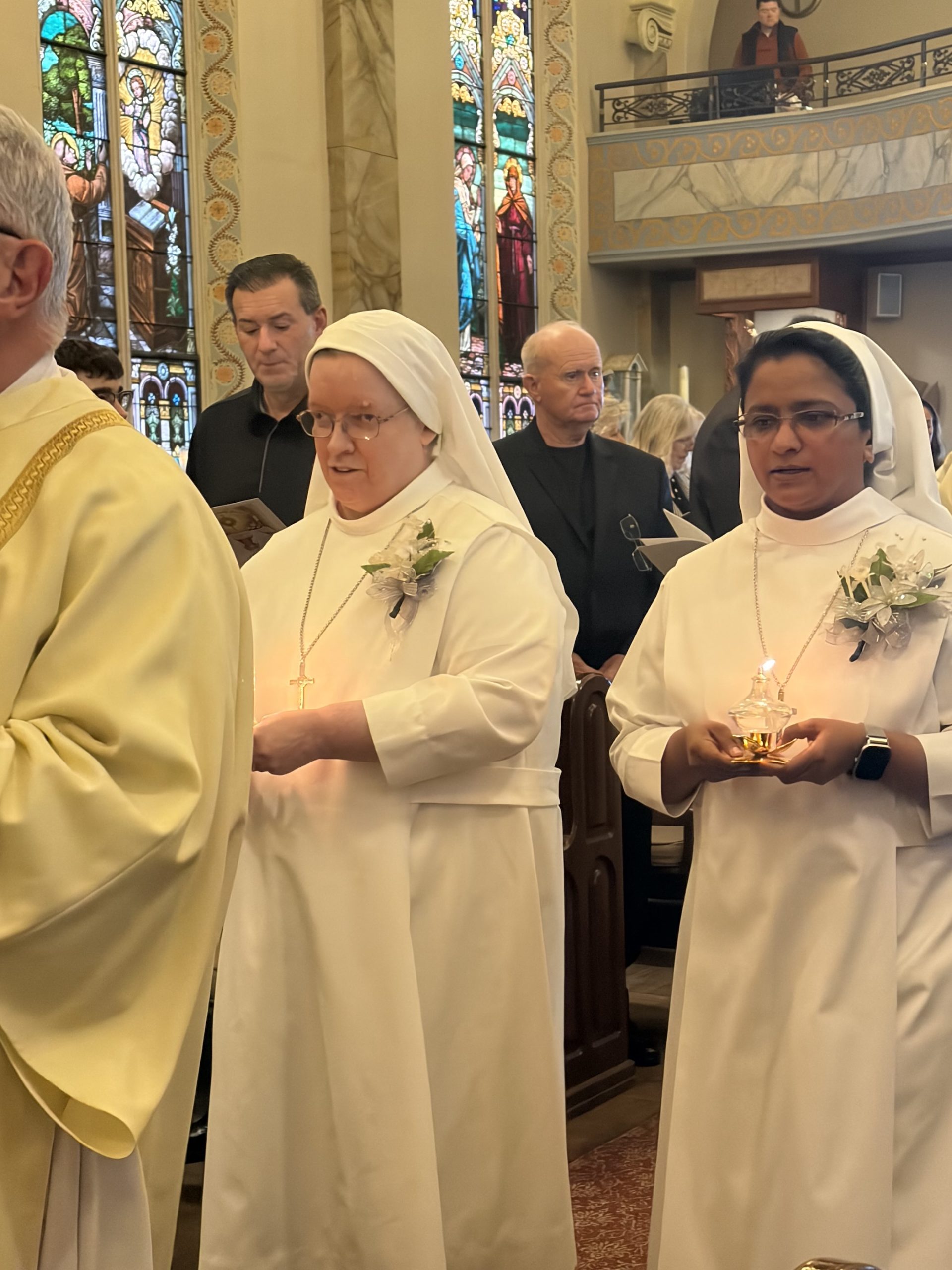
Ask most Catholics where they first encountered the faith, and the answer often includes a sister, a brother or a religious order priest. They taught in our schools, healed in our hospitals and served the poor in places few others would go. Religious congregations built much of the Catholic educational and healthcare system in this country, and they did it for little or no pay. Today, many of the same women and men who have given a lifetime of service face retirement without adequate savings. That is why the National Religious Retirement Office (NRRO) exists.
The Catholic bishops of the United States established the NRRO and its annual appeal, the Retirement Fund for Religious, in 1988, to help close a serious and growing gap in retirement funding for Catholic sisters, brothers and religious order priests who spent their working lives without 401(k) plans or pensions.
Its mission is straightforward: to help religious communities care for their aging members with the dignity they have earned.
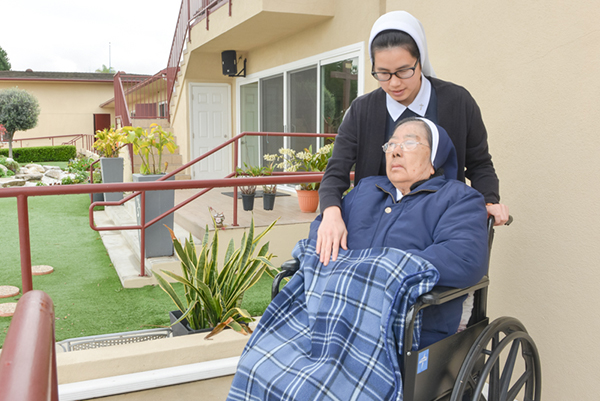
The need is considerable. According to last year’s statistics from the NRRO, more than 21,000 aging religious depend on this support, and in 2025, the average annual cost of their care was roughly $62,000 per person, with those in need of skilled nursing care averaging $102,000. The average annual religious receives just $9,390 in Social Security, versus $24,856 for the average lay beneficiary—a gap that reflects a lifetime spent serving others rather than building savings.
The numbers behind the communities themselves tell the rest of the story. Retired religious now outnumber those still earning a wage by more than 2.5 to one, and only six percent of reporting communities are adequately funded for retirement. Because canon law makes each religious community financially responsible for its own members, that burden falls squarely on institutes that were never able to save enough.
This is where American Catholics’ generosity has mattered most. Since the first collection in 1988, the faithful have given more than $1 billion to the Retirement Fund for Religious. Nearly $940 million has gone toward the day-to-day care of elderly sisters, brothers and religious order priests, and another $103.7 million has funded self-help projects such as shared healthcare facilities. Every year, hundreds of communities receive assistance they can apply toward immediate needs or set aside for the future.
The NRRO does more than write checks. It also provides educational programming and resources that help communities plan responsibly for the years ahead, strengthening religious institutes so they can keep serving the people of God even as they care for their own.
In the end, this is a matter of gratitude and of keeping a promise. Those who spent a lifetime in service to the Church trusted that they would not be forgotten in old age. Supporting the Retirement Fund for Religious is how we honor that trust—not as charity in the abstract but as an investment in the women and men religious who gave us so much. When we give, we thank them for a lifetime of service and make sure they can grow old in peace, dignity and prayer.
Please consider giving to the Retirement Fund for Religious, which I consider to be part of the hundredfold promised by Our Lord to those who give up everything to follow Him. Even in retirement, Father Clark Kelley did so much for me, as have many other religious men and women. In caring for them in their later years, we extend our gratitude for all they have done for us.
In Christ,
John Knutsen
Director of the National Religious Retirement Office